08 September 2026
Eco Friendly Wine Packaging: Material and Structure Decide
For eco friendly wine packaging, the answer is material and structure. A one-material box can go into paper recycling; a laminated, foiled, or magnet-carrying box has to be pulled apart first. You decide at the board, the surface finish, the insert, and the fold line. That is where the greener choice begins.
What Makes Wine Packaging Greener
At the box level, the green decision is made by what the box is made of and how many different materials are stuck together. A greyboard box faced with specialty paper is one paper family. A rigid lid-and-base with foil stamping, magnets, and an EVA tray is several materials, and separation work is added before it can be processed. That work is where the buyer should look first.
The simplest version of this idea is material family. Paper, kraft, white card, flocked paper, and leather-textured paper can stay in the same family when the box is built without a separate film, foam, or metal. Once you add a foil or a magnet, the box stops being a single stream. The buyer should ask what can be peeled or sorted without damaging the bottle.
You can see the range in our Cardboard Wine Boxes, where the structure decides how many materials are present. A foldable box with paper mould insert is the cleanest build. A gift box with velvet tray and ribbon needs more sorting. That difference is visible on the shelf and in the truck. Ask which parts can be removed in the receiving dock.
Board Weight Sets the Floor
Our board standard is greyboard 1200 g minimum, with 1400 g recommended for spirits. Facing paper starts at 157 g. The point is not that heavy always means more material. It means the box can hold a 750 ml bottle without the side walls flexing or the base sagging. If you drop the board weight to look greener, you may end up with a box that collapses in the truck and ships twice.
Use 1400 g when your bottle is heavier or the box must survive stacking. Use 1200 g when the bottle is standard and the box is not going to be stacked high. The buyer should state the bottle weight class, the stacking need, and the route. If the box is for a 750 ml wine bottle and will sit on a shelf, 1200 g may be enough. If it goes to a 1.2 m drop or 40 kg top load, move to 1400 g.
The board weight also sets the feel of the box. Thinner board saves paper but can crack at the fold. If you want a greener box, choose the lightest board that still passes our in-house checks. That means no collapsed corners and no loose base. Ask your supplier to confirm the board grade and the facing paper weight before the plate is cut.
Lamination Changes the Surface
Lamination adds a matte or gloss film over the board. It gives the box a smoother surface, better moisture tolerance, and more scuff resistance. But it also adds a plastic layer. If you want one material family, leave the lamination off and accept a more paper-like finish. The trade-off is real. The surface will wear faster and the box will be more sensitive to damp.
A buyer who wants a cleaner build may choose a paper facing with a light texture instead of a film. The box stays in the paper family, but it will not be as easy to wipe clean. If your retail shelf is humid or the box is handled by many hands, the film earns its keep. If the box is a gift item handled once, skip it.
Do not use a gloss film if the selling point is a natural paper look. A matte film can look cheap on a luxury wine box. If you need a premium feel, ask for a specialty paper with a subtle texture and no separate coating. The box stays simpler. That one is not worth the money when the buyer can choose paper.
Single Material Construction
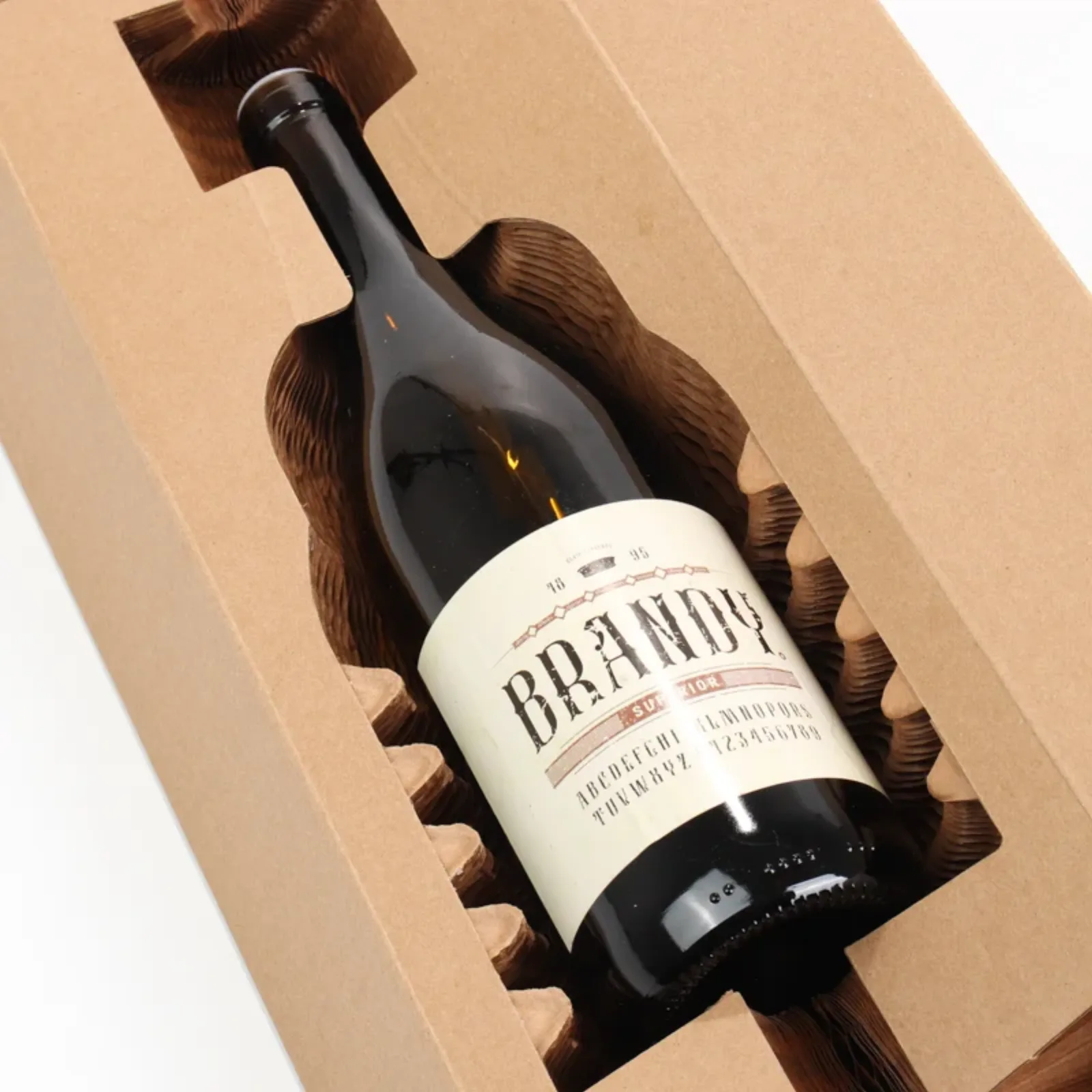
A single material box is easiest to explain. The box body, the lid, and the insert can all be paper. That means the buyer does not have to sort out foam, plastic, or metal before the box leaves the shelf. Our four insert types are velvet tray, EVA foam, blister, and paper mould. Of those, the paper mould is in the same family as the box.
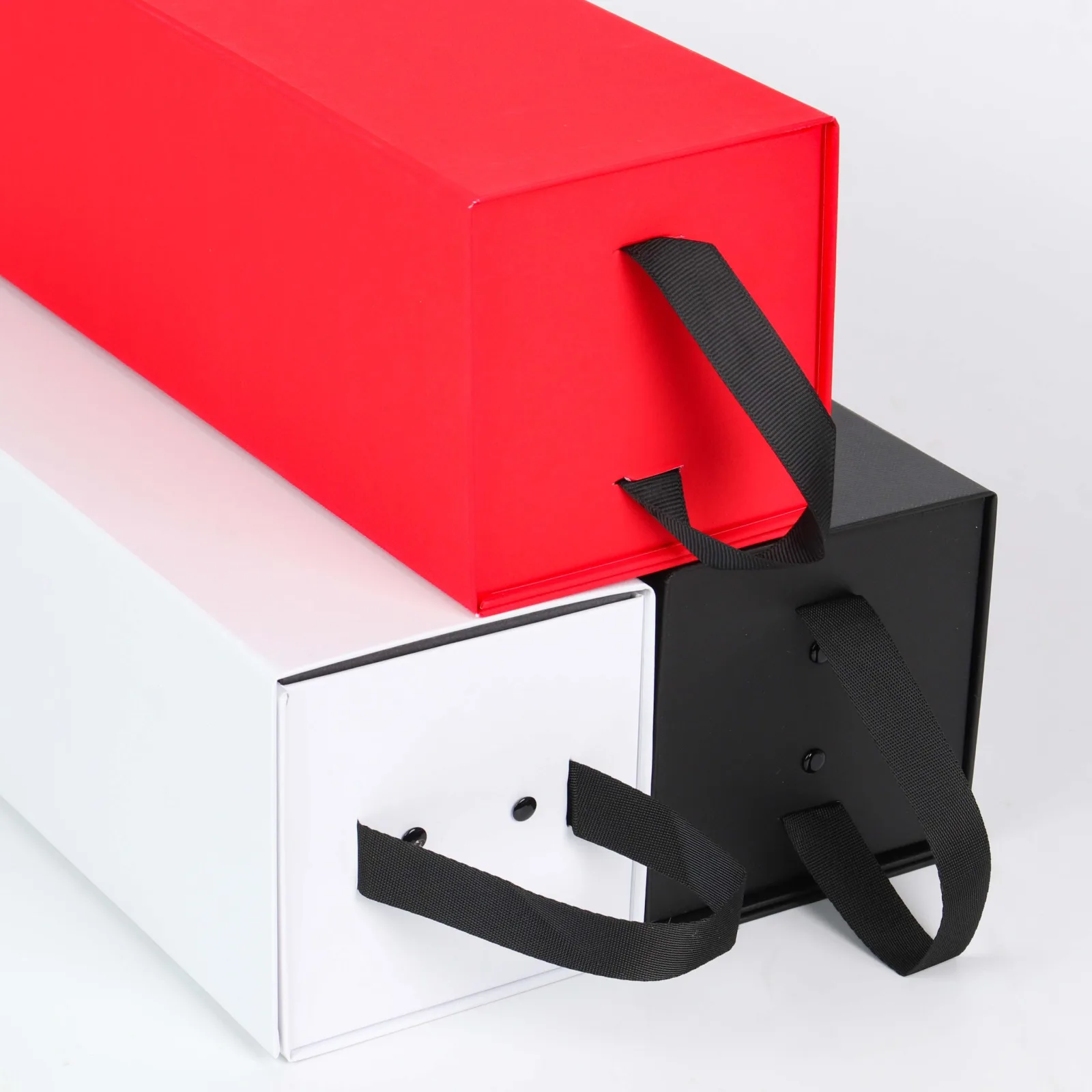
What pushes a box out of single material? Foil stamping adds a metallic layer. Magnets add a metal piece. Ribbon adds a separate thread. An EVA tray adds foam. A blister tray adds plastic. If your buyer wants a one-family box, use a paper mould, keep the closure simple, and avoid foil. Each extra material is another sorting step for the end user.
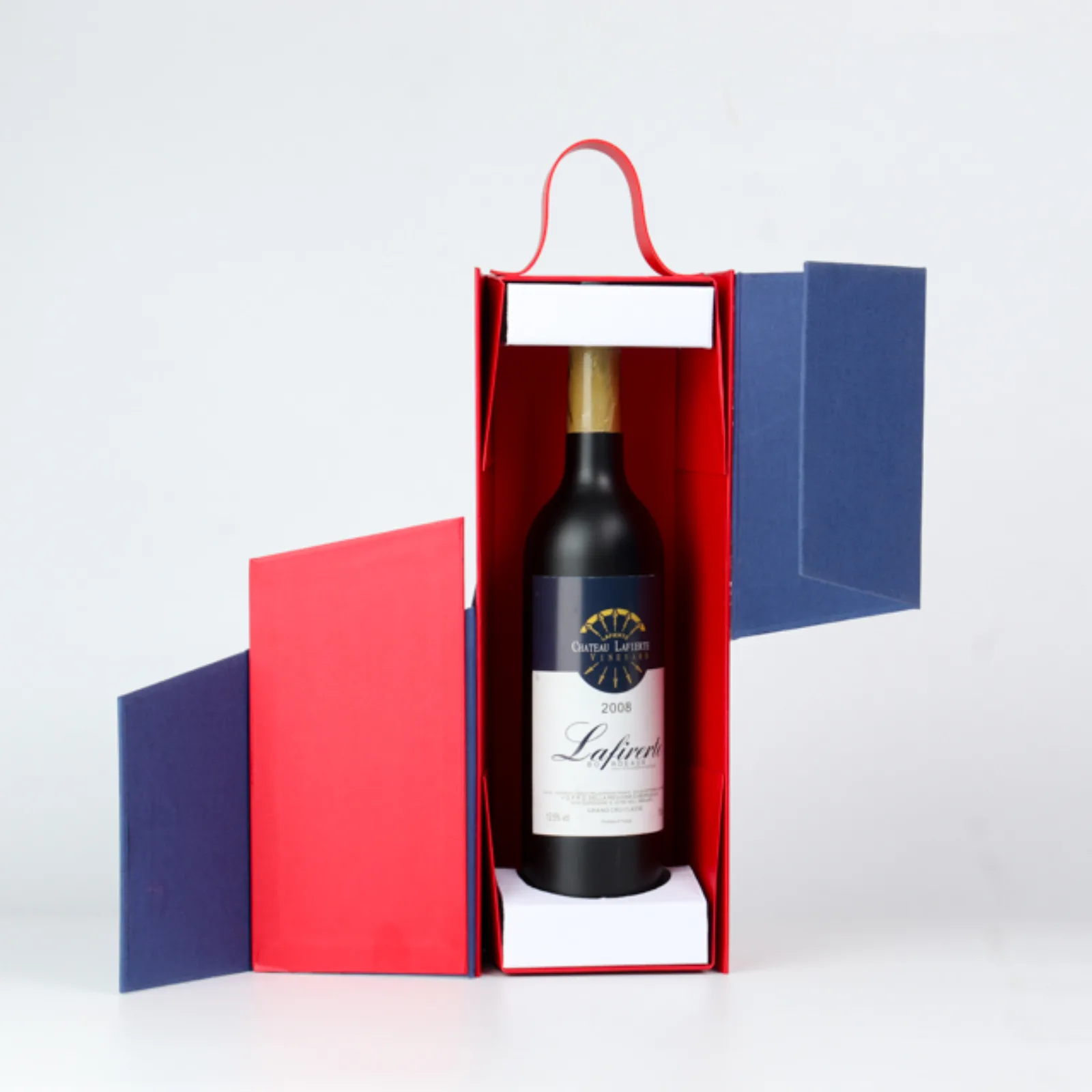
The structure also matters. A foldable box with a paper mould insert is a clean one-family build. A double-door box with a velvet tray is not. A magnetic closure is not. You can still use those, but you should know they are multi-material. Tell your buyer exactly which parts can be removed and which cannot. That honesty avoids a false green claim.
Foldable Boxes and Freight Volume
A foldable box ships flat. That means less container space on a truck or a ship, and less air being moved. The exact savings depend on the container and the route, so do not promise a percentage. What you can promise is the structure itself: the crease must not crack, the magnet position is held to plus or minus 1 mm, and the corners sit at 90 degrees when erected. See Six Wine Box Structures Compared: Which Fits Your Bottle before choosing a foldable box.
This is where the buyer should look at the full path. A rigid box takes up the same space whether it is empty or full. A foldable box stacks flat in the warehouse, loads tighter on a pallet, and leaves room for more boxes in the same container. That is not a recycling claim, but it is a real operational benefit.
Use a foldable box when the route includes truck and sea vibration. The paper mould insert holds the bottle at four points. After a 10 second shake, the bottle should not move. After a 45 degree tilt, it should not slide. After inverting, it should not release. That is the check we always run before the box leaves our factory.
A Buyer Specification to Hand a Supplier
Give your supplier a short list. State the bottle size, the box structure, the board weight, the facing paper, the insert, the closure, and whether lamination is wanted or skipped. For a standard 750 ml bottle, a 1200 g greyboard box with a 157 g facing paper is a clear starting point. Add the route and the stacking need and the shelf life. See Sustainable Wine Packaging for the buyer guide.
Also state the insert rule. The bottle must be held at four points. The neck and shoulder must not be left unsupported. The insert must pass the 10 second shake, the 45 degree tilt, and the invert check. If you use a paper mould, it must match the bottle shape to the control tolerance of plus or minus 1 mm exact.
End the list with a note: we do not publish recyclability figures. We can confirm the material family, the structure, and the in-house checks. That keeps the buyer's claim honest. The buyer should ask the supplier to state which parts are paper, which are foam, and which are metal or plastic only.
When Eco Claims Can Mislead
Not every eco claim holds up. A box with a thin board and a paper mould may look green, but if the base sags or the side walls flex, the buyer has to ship a second box. A box with a velvet tray and a magnetic lid may be beautiful, but it is not a single material. The greener choice is the one that still protects the bottle.
Use the How we control quality page to see the checks we run before order. The 1.2 m six-face drop test is done with the bottle loaded. The stacking test uses a 40 kg top load for 24 hours. The vibration test simulates truck and sea movement. Read the Materials and structures page for the full list of boards, facings, and inserts.
Read the Materials and structures page for the full list of boards, facings, and inserts. A buyer who compares materials before choosing structure makes a cleaner decision. A buyer who only asks for a green label may end up with a box that is heavy, multi-material, and harder to explain. The difference shows up in the shelf and in the truck.
Key points
- Choose 1200 g greyboard for standard 750 ml bottles; choose 1400 g for spirits or stacked boxes.
- Skip lamination when you want one material family; accept faster wear and lower moisture tolerance.
- Use a paper mould insert to keep the box in a single paper stream.
- State the bottle, board, facing, insert, and lamination decision in the buyer spec.
- Ask the supplier to confirm in-house checks: drop, stacking, and vibration results.
Questions buyers ask
How do I choose a greener wine box?
Start with the bottle. A standard 750 ml bottle pairs well with 1200 g greyboard and a 157 g facing paper. Move to 1400 g when the bottle is heavier, the box will be stacked, or the route is rough. Keep the structure simple, and use a paper mould insert if you want one material family.
Does a foldable box really save freight space?
It does, qualitatively. A foldable box ships flat, so more boxes fit in the same truck or container. We do not publish a percentage, but the structural check is concrete: the crease must not crack, the magnet position is held to plus or minus 1 mm, and the corners reach 90 degrees when erected.
Which insert is the most single-material choice?
The paper mould, also called moulded pulp, is the insert that stays in the same family as the box body. A velvet tray, EVA foam, or blister tray adds another material. If your buyer wants a one-family box, choose the paper mould and avoid foil, magnets, and ribbon.
Send your bottle size, structure, and material list to [email protected] to start a custom wine box project. Get a Quote
Put this on your bottle
Send the bottle sample or dimensions, quantity and a reference design. We reply with structure options and pricing.
- Email[email protected]