23 September 2026
Bulk Wine Crates: Wholesale Wooden Wine Boxes
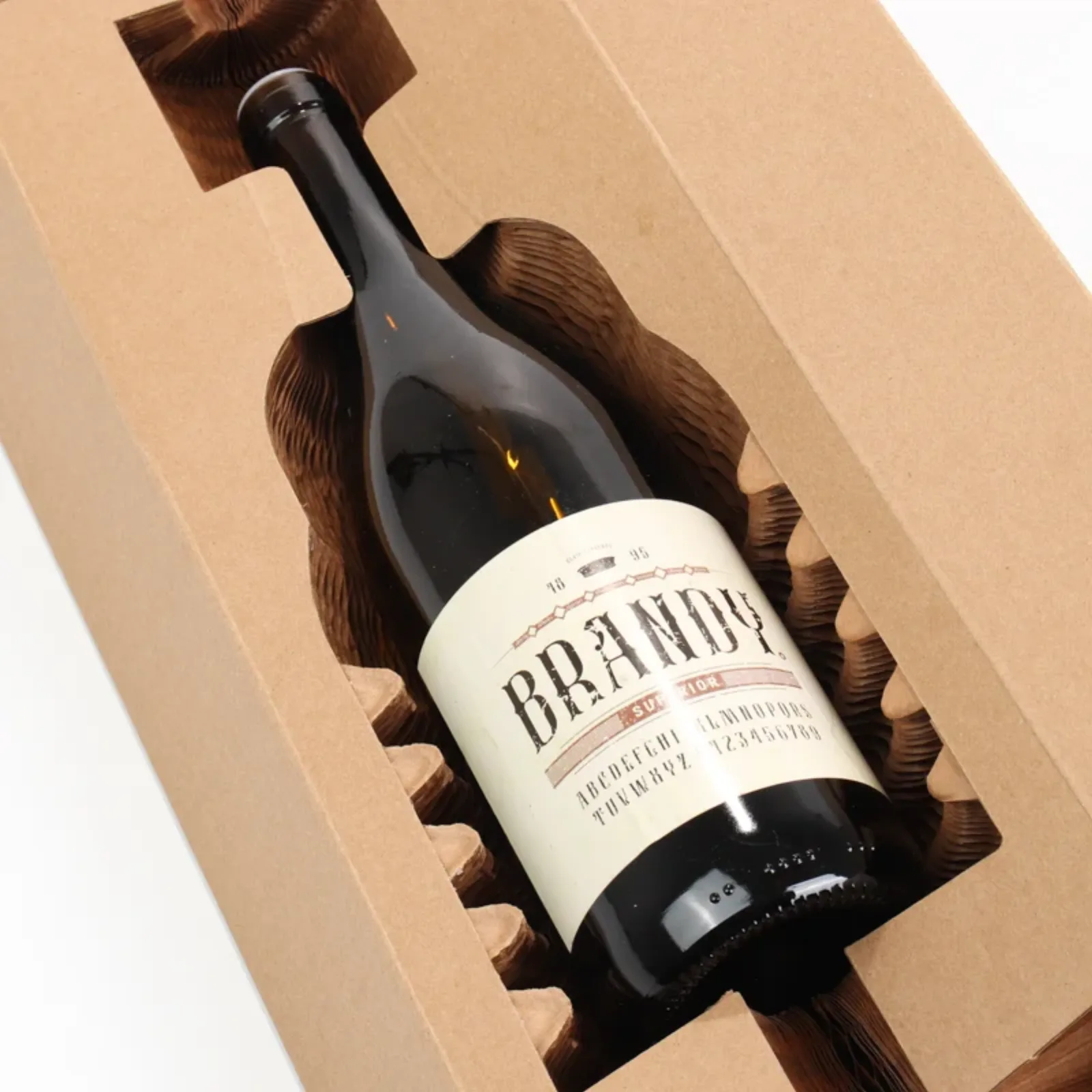
A bulk wine crates order starts with the bottle, not the wood. You pick the wood and finish after that. The crate only works when the insert holds the bottle at four points, with no unsupported neck or shoulder. Get that wrong and you will see it in the first transit test.
How a crate is built from the board up
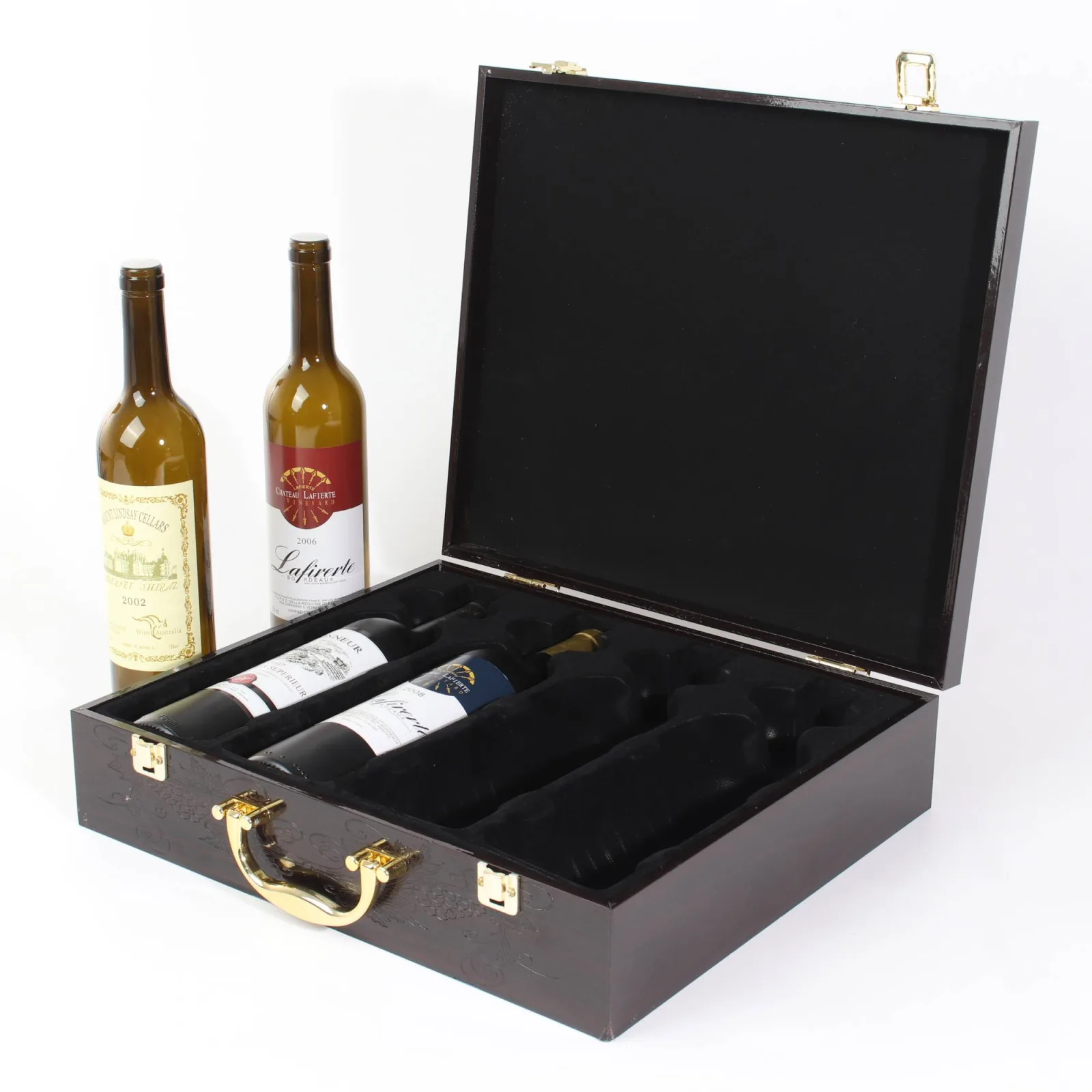
Most buyers ask for a wooden crate and picture a solid oak box. That is one option, but plenty of what ships as a wooden wine crate is a lined structure: a greyboard body wrapped in a wood-look or specialty facing paper, or a thin wood veneer over a board core. The build order matters. The board is cut and scored, the insert is set, the facing goes on, and the corners are formed. If the board is too light, the crate flexes when you lift it by one end, and the lid no longer sits flush.
That is why we hold a board standard. Greyboard at 1200 g is the minimum. For spirits, 1400 g is what we recommend. The reason is simple: a heavier bottle plus a heavier glass shoulder puts more load on the crate walls, and a light board bows under it. No recycled greyboard, and no high-moisture paper. High-moisture board moves after printing, and a crate that measured right on the sample bench can come in tight at the customer. If you are lining or facing the crate, the facing paper should be 157 g minimum specialty or coated. Thinner facing scuffs through on the corners, and a scuffed corner is the first thing a retail buyer sees.
Wood crates against corrugated shipping boxes
This is the decision that sets your whole spec. Wood carries presentation weight. It feels like a gift. It can be reused, and a reusable crate is a marketing object that sits on a shelf for years. Corrugated is lighter, folds flat for export, and costs less to move. The choice turns on one question: is this crate a retail display piece or a transit case? If it is a display piece, wood wins. If it is a one-way shipper that gets thrown in a van, corrugated is the better fit and you should not pay for wood.
I have seen buyers spec a wooden crate for a plain shipping job and then complain about the freight. That one is not worth the money. Wood adds weight, and weight adds cost on every leg. It also moves with humidity. A solid wood lid can swell and stick in a damp container, so the insert and lining have to be checked against that movement. Corrugated does not have that problem, but it also will not survive being opened and reused. Match the material to the job, not to the photo on the website.
Trade-offs a factory engineer would name
Every structure has a failure mode. Foldable crates save space in the warehouse and in the container, which is real money on a bulk order. But the creases must not crack. If the board is dry or the score is wrong, you will see white lines along the fold after the first open and close. Magnetic closures are clean and quiet, but magnet position has to sit within our control tolerance of plus or minus 1 mm. Miss that and the lid either will not catch or it pops open in the box. Corners must be 90 degrees when erected. A crate that leans is a crate that will not stack.
Handles are another one. A crate with a handle looks great until the handle pulls through the board under load. The handle needs a backing plate or a reinforced area, and that is a structure decision you make before the die is cut. If you are comparing structures, our materials and structures page lays out the options. What I would tell you is this: pick the structure that matches how the crate is handled, not how it looks in a catalog.
Fit checks that apply to every crate
The insert is where most crate failures start. The rule is four points of contact, and no unsupported neck or shoulder. A bottle held only at the base will rock. A bottle held only at the neck will stress the glass. Four points spread the load. We check it three ways. Shake the loaded crate for 10 seconds and look for movement. Tilt it to 45 degrees and look for slide. Invert it and look for release. If the bottle moves on any of those, the insert is wrong.
Tolerances matter here. Our control tolerance is plus or minus 1 mm on the insert and plus or minus 2 mm on the box body. That is not a guarantee, it is what we hold in production. A cavity that is 3 mm too wide will let the bottle slide. A cavity that is too tight will crack the label when the packer pushes the bottle in. If your bottle is an odd shape, a standard crate cavity will not hold it, and you need a custom insert. That is a real limit, and I would rather tell you now than after you order.
When our product is the wrong answer
If you need a plain one-way shipper, corrugated is the better fit. Do not buy a wooden crate for a bottle that gets opened once and thrown away. If your bottle is an odd shape, a standard crate cavity will not hold it. You can go custom, but if the volume is low, the tooling may not pay back. And if you are shipping to a market where the crate will sit in a damp warehouse, solid wood may move. In that case, a lined board crate with a stable facing paper is the safer call.
We are an OEM/ODM manufacturer, so we build to your spec, but we will also tell you when a different material solves the problem cheaper. That is the honest answer. If you want to see how we handle the custom side, the custom wine box manufacturing page walks through the steps. For the crate itself, start with our wooden wine boxes range to see the structures we run.
What to send us for a bulk quote
To price a bulk wine crates order, we need four things. Box dimensions or a bottle sample. A reference design or a sketch. The quantity you are planning. And any special requirements, like a logo position, a specific finish, or a handle. Send those and we can come back with a structure and a material call. If you do not have dimensions yet, send the bottle. We will measure it and work from there.
We make two sample types. A blank sample proves the structure: the fit, the insert, the corners, the lid. A printed sample proves the visual: the color, the finish, the logo. If you are buying wooden wine boxes for the first time, get both. A printed sample on a structure that does not fit is a waste of a print run. You can reach us through the quote form or at [email protected]. For bottle-specific sizing, our wine box size guide by bottle type is a good starting point before you send dimensions.
Key points
- Spec the insert first: four points of contact, no unsupported neck or shoulder.
- Greyboard 1200 g minimum, 1400 g for spirits; facing paper 157 g minimum.
- Wood for presentation and reuse, corrugated for one-way transit.
- Check every crate: shake 10 seconds, tilt 45 degrees, invert.
- Send dimensions or a bottle sample, reference design, and quantity.
Questions buyers ask
What is the difference between a wooden wine crate and a corrugated shipping box?
Wood carries presentation weight and can be reused, so it suits a retail display piece. Corrugated is lighter and folds flat for export, which makes it better for a one-way transit case. The choice turns on whether the crate is seen on a shelf or thrown in a van.
How do I know if my bottle will fit a standard crate?
If the bottle is a standard shape, a standard cavity can work. If it is an odd shape, a standard crate cavity will not hold it and you need a custom insert. Send us a bottle sample and we will check the fit against our insert rule.
What board weight should I use for a wooden wine crate?
Greyboard at 1200 g is the minimum. For spirits, 1400 g is what we recommend, because a heavier bottle puts more load on the crate walls. If you line or face the crate, use facing paper at 157 g minimum specialty or coated.
Send your box dimensions or a bottle sample, reference design, quantity and special requirements through the quote form or [email protected]. Get a Quote
Put this on your bottle
Send the bottle sample or dimensions, quantity and a reference design. We reply with structure options and pricing.
- Email[email protected]