Cardboard Wine Boxes
Cardboard wine boxes are the workhorse of the category. They give you a rigid presentation without the weight or cost of wood. Most buyers come to us with a bottle shape and a price target, then we work through the structure. Single bottle, double bottle, gift set with glasses, it all starts with greyboard and a facing paper you can print on.
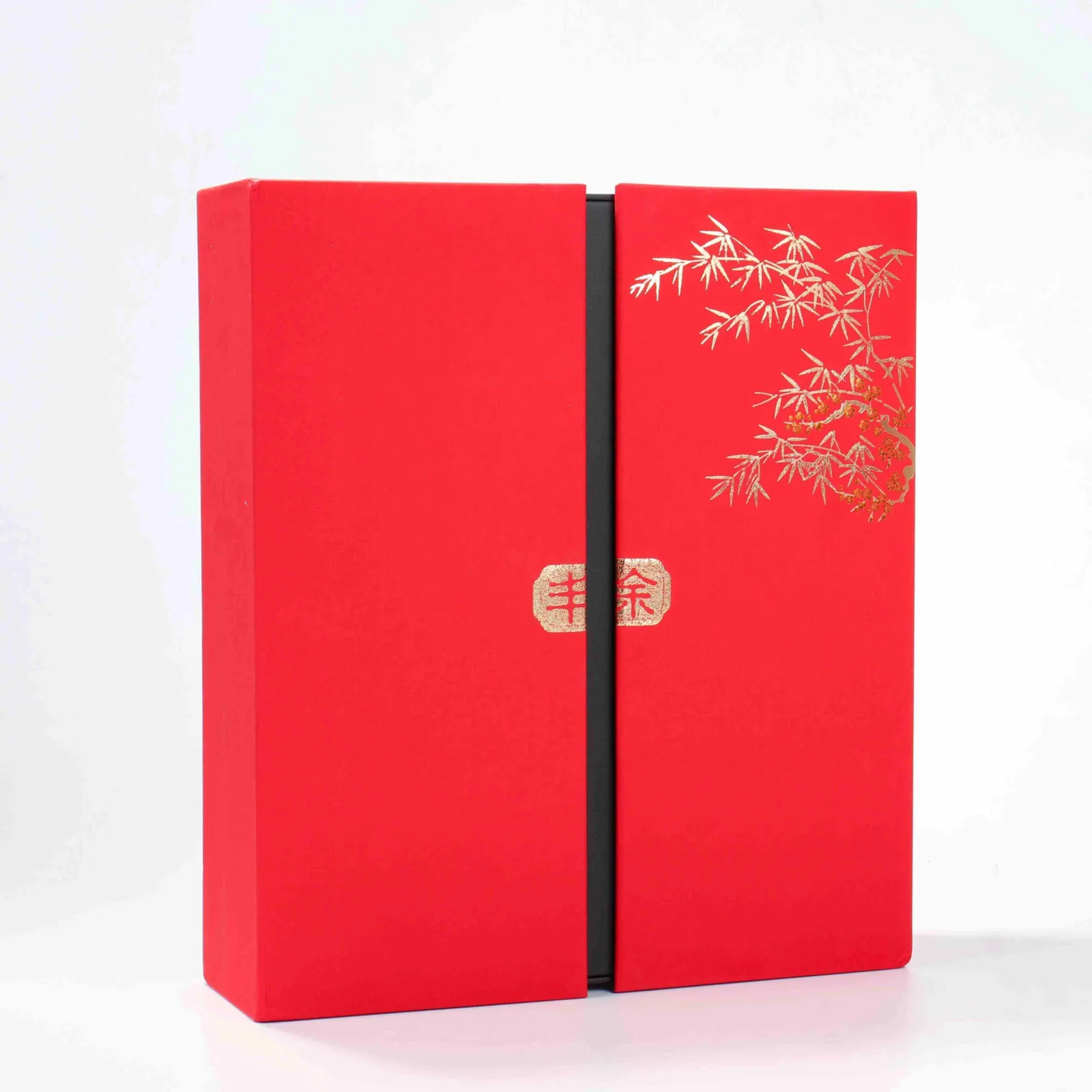
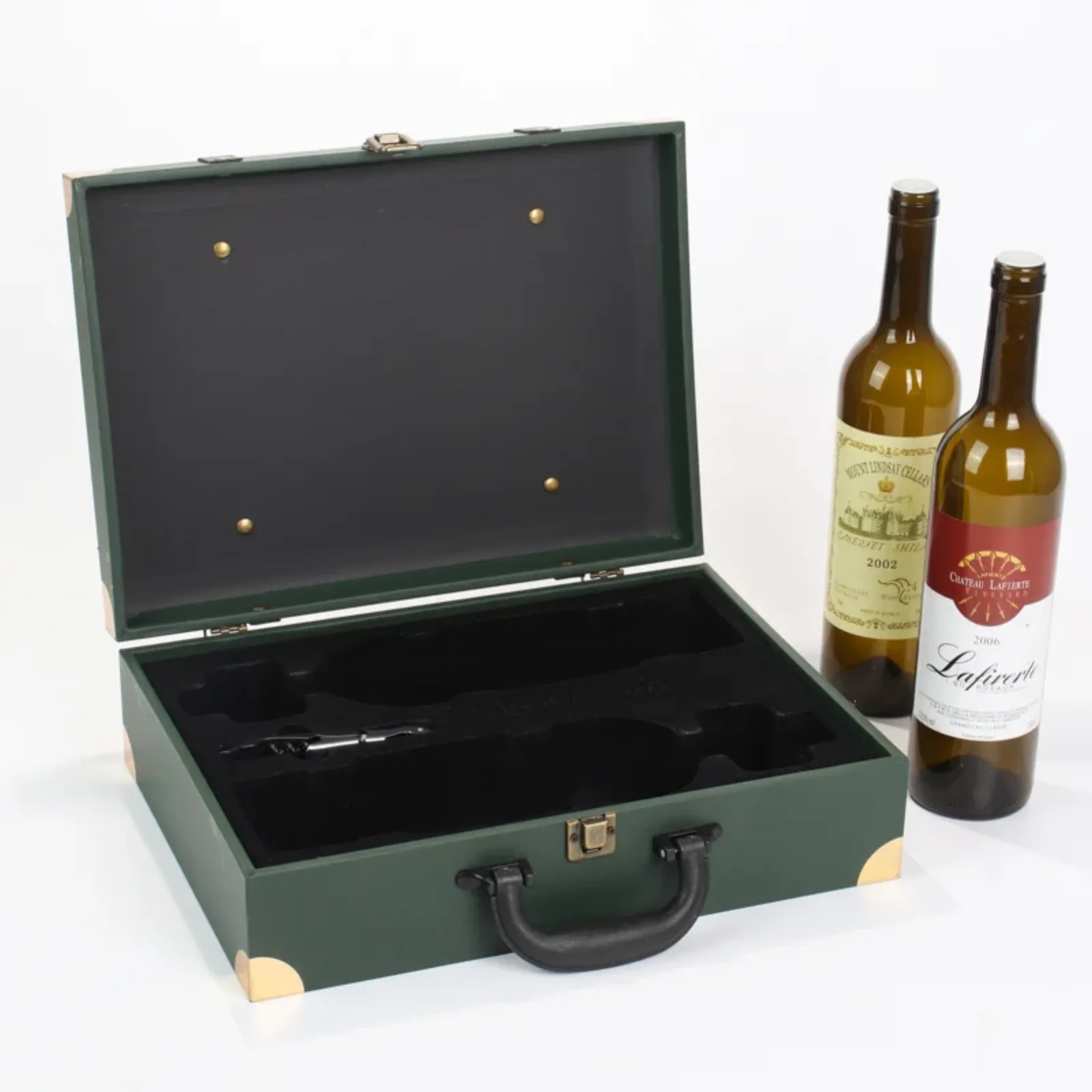
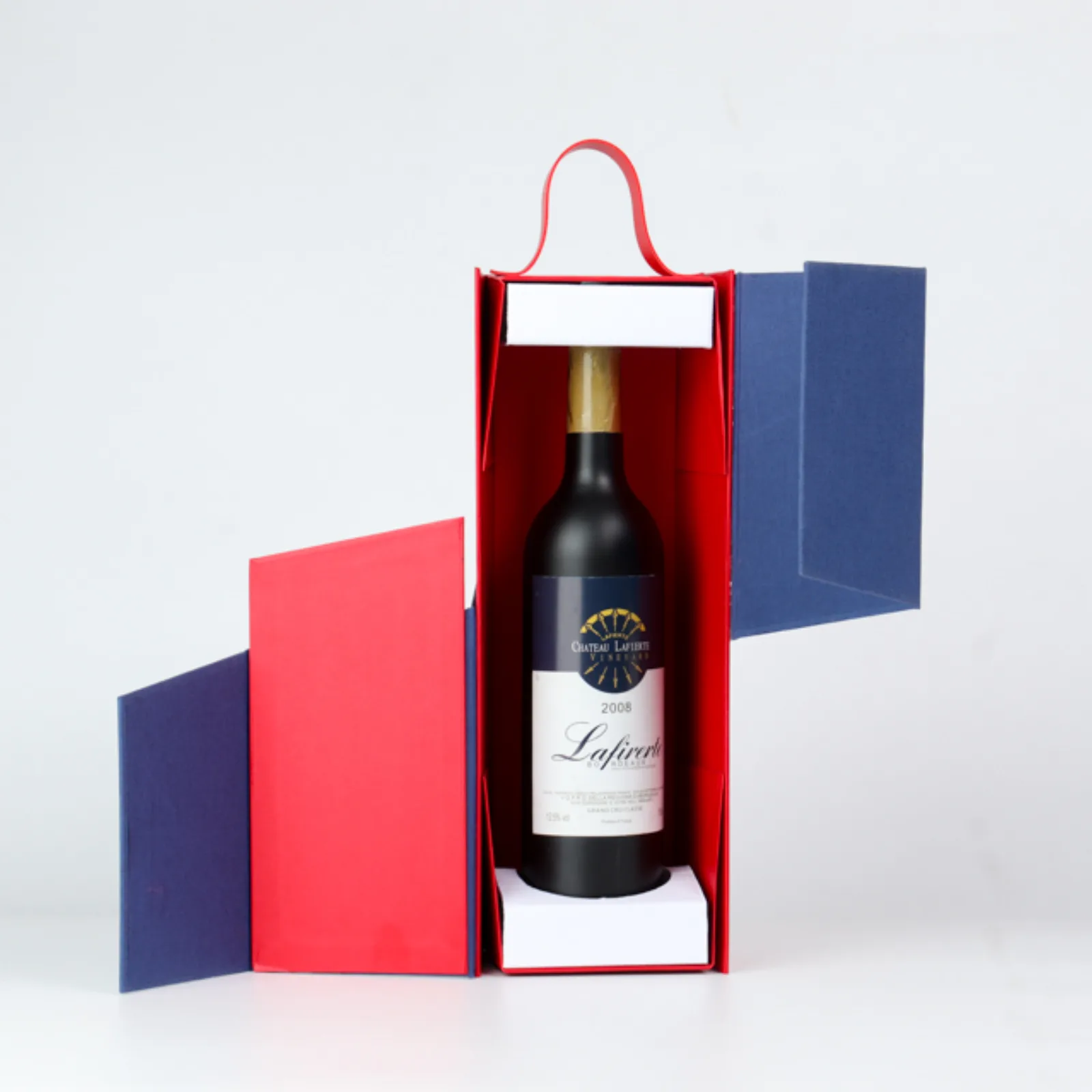
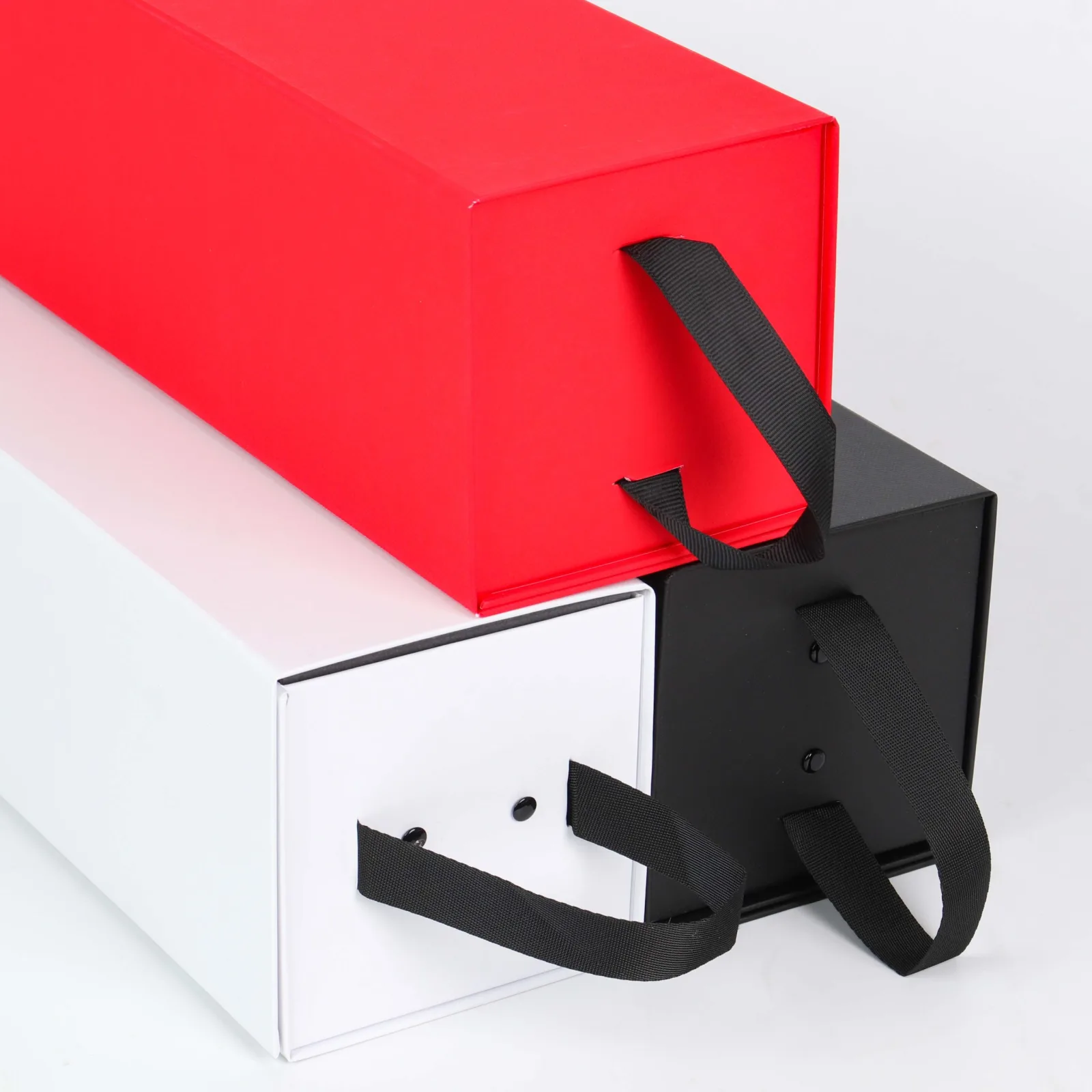
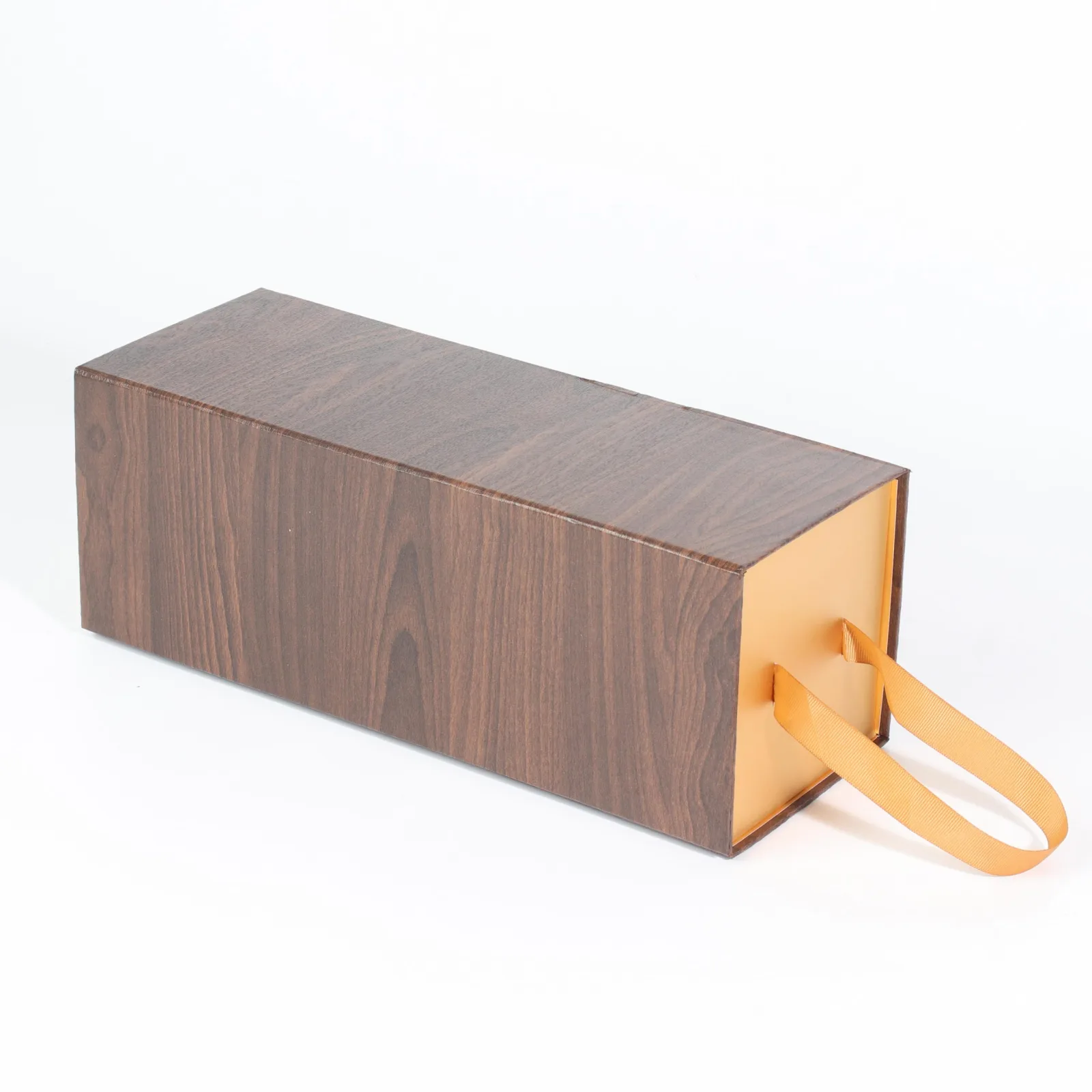
The main split is rigid versus foldable. Rigid boxes feel substantial and arrive ready to use. Foldable boxes ship flat, save warehouse space, and still hold a bottle securely once the insert is in place. If you are not sure which way to go, think about where the box lives before the wine goes in it. A retail shelf wants rigid. A packing line that assembles hundreds a day often prefers foldable. You'll also see magnetic, drawer, and double-door structures in this category. Each one changes the opening experience and the cost.
Choosing a cardboard wine box
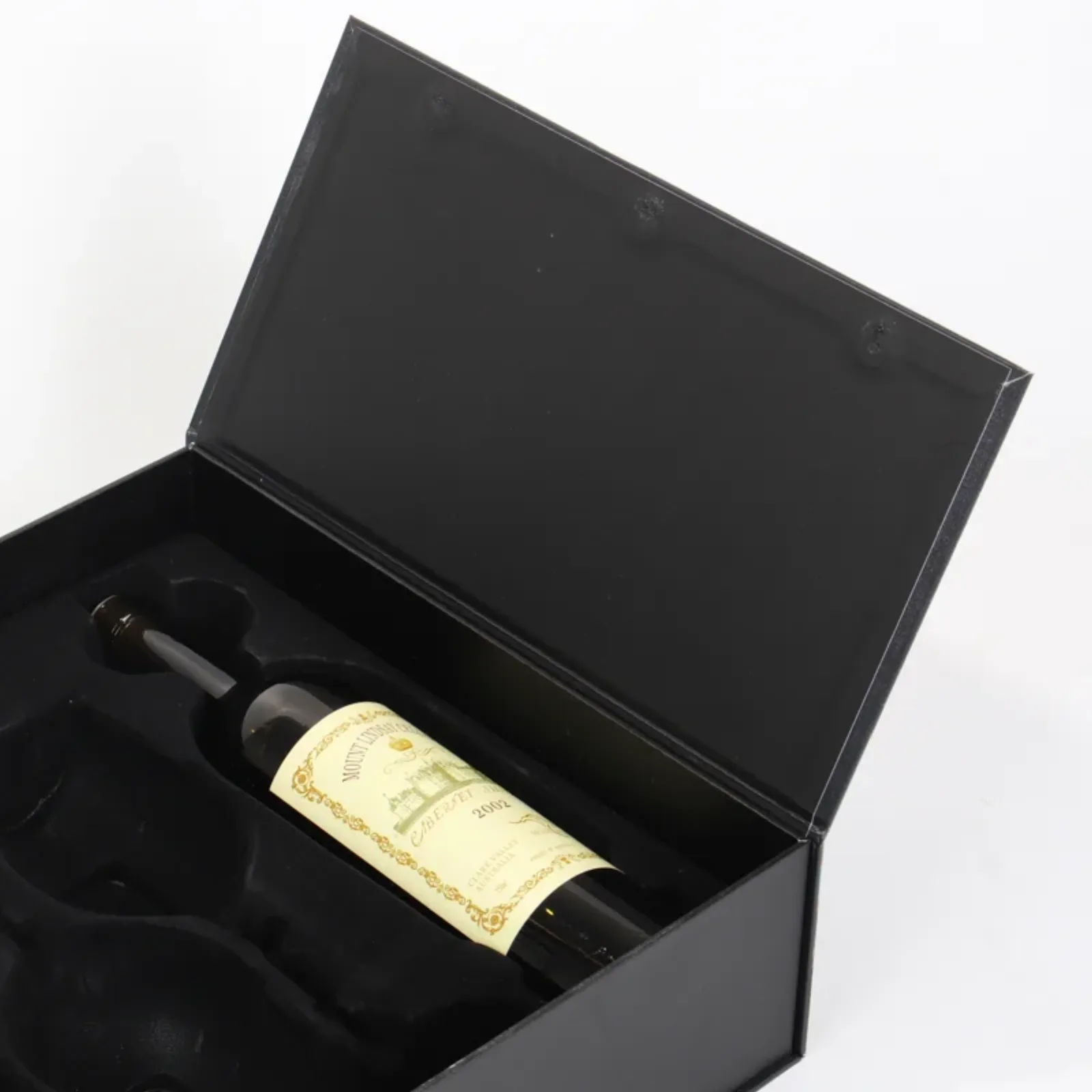
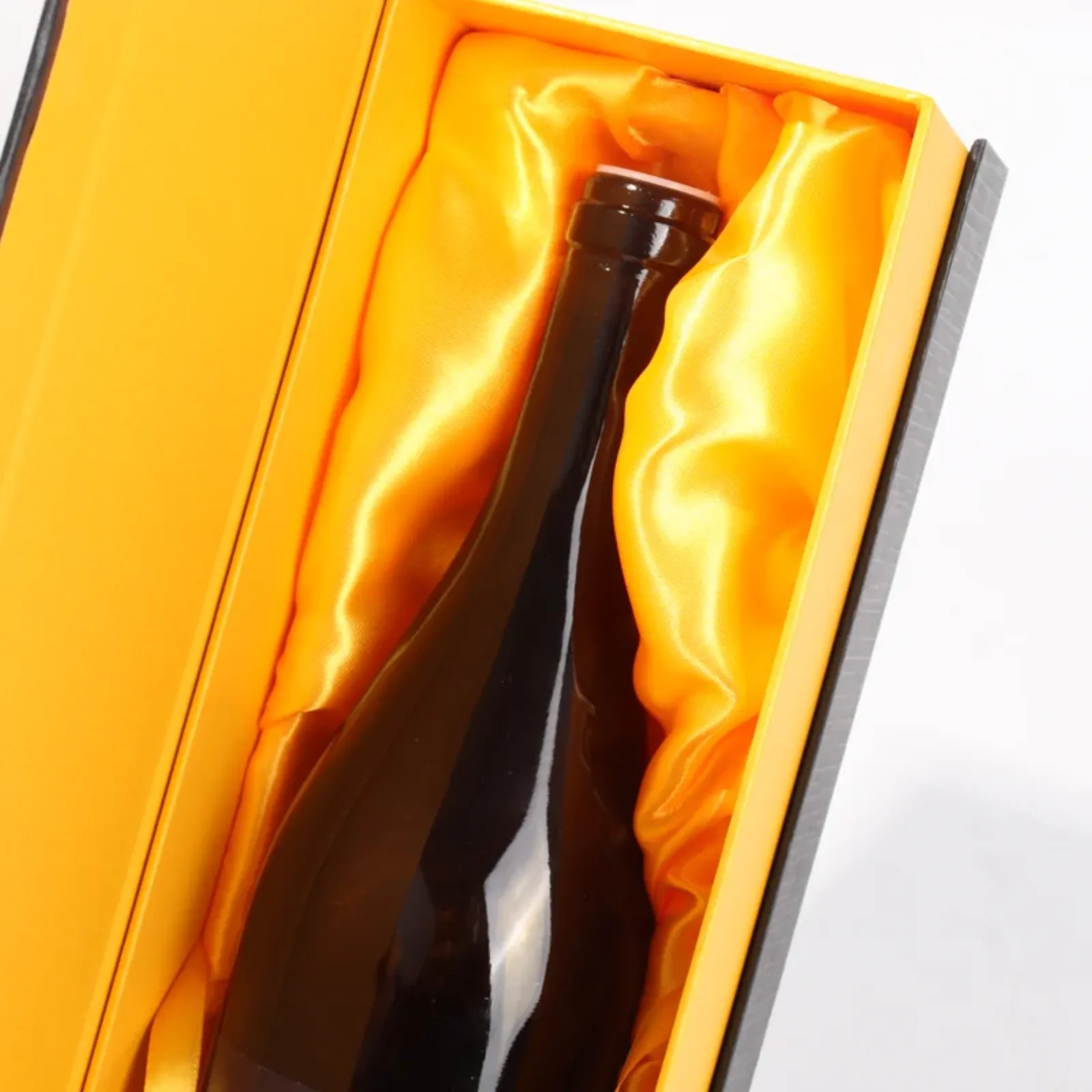
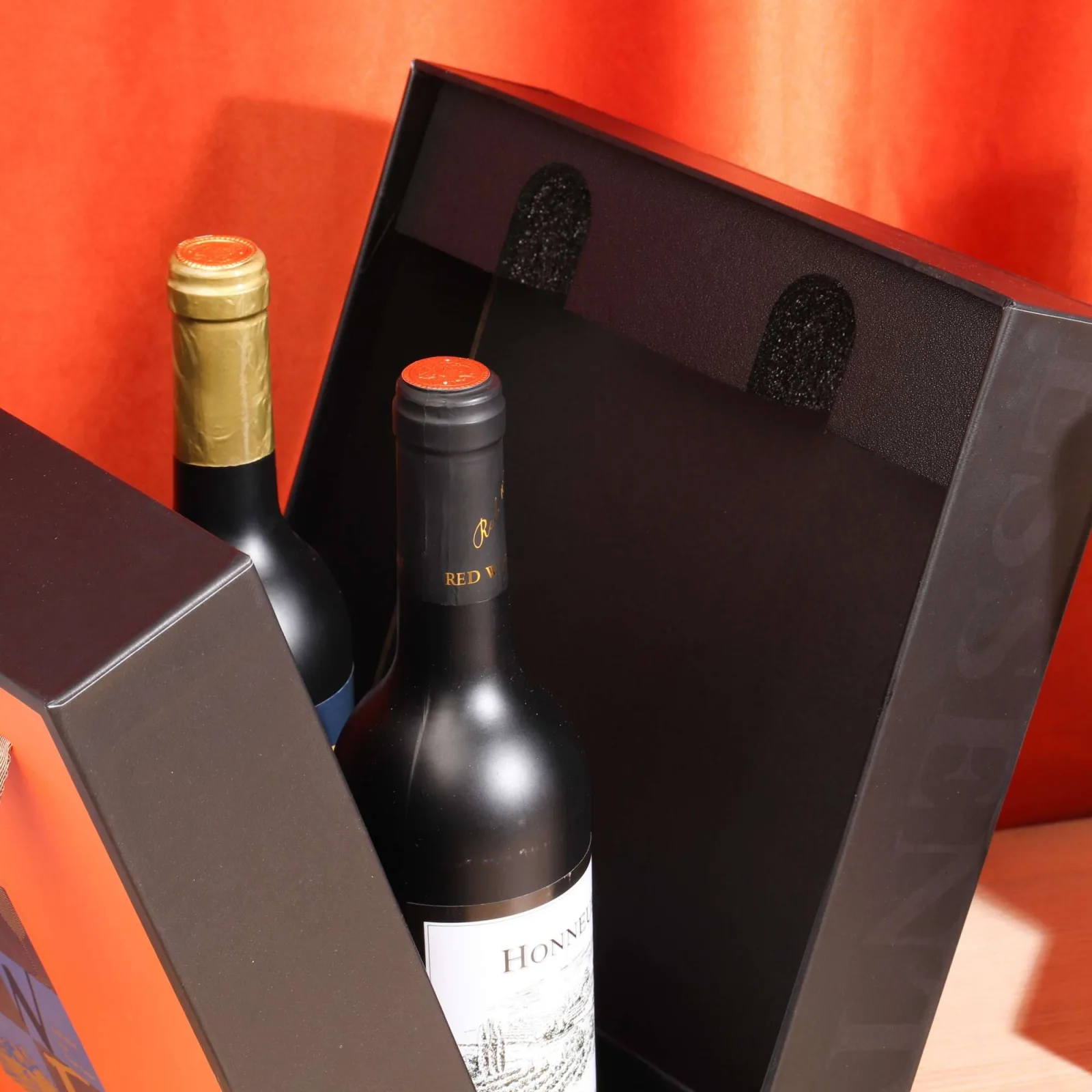
Start with the bottle. Give us the diameter, height, and shoulder profile. A Burgundy bottle and a Bordeaux bottle need different inserts. If the neck is not supported, the bottle moves. If the shoulder is not supported, the bottle rattles. We hold the bottle at four points and check that nothing shifts. The insert material matters too: velvet trays, EVA foam, blister, or paper mould. Each one suits a different bottle weight and price point.
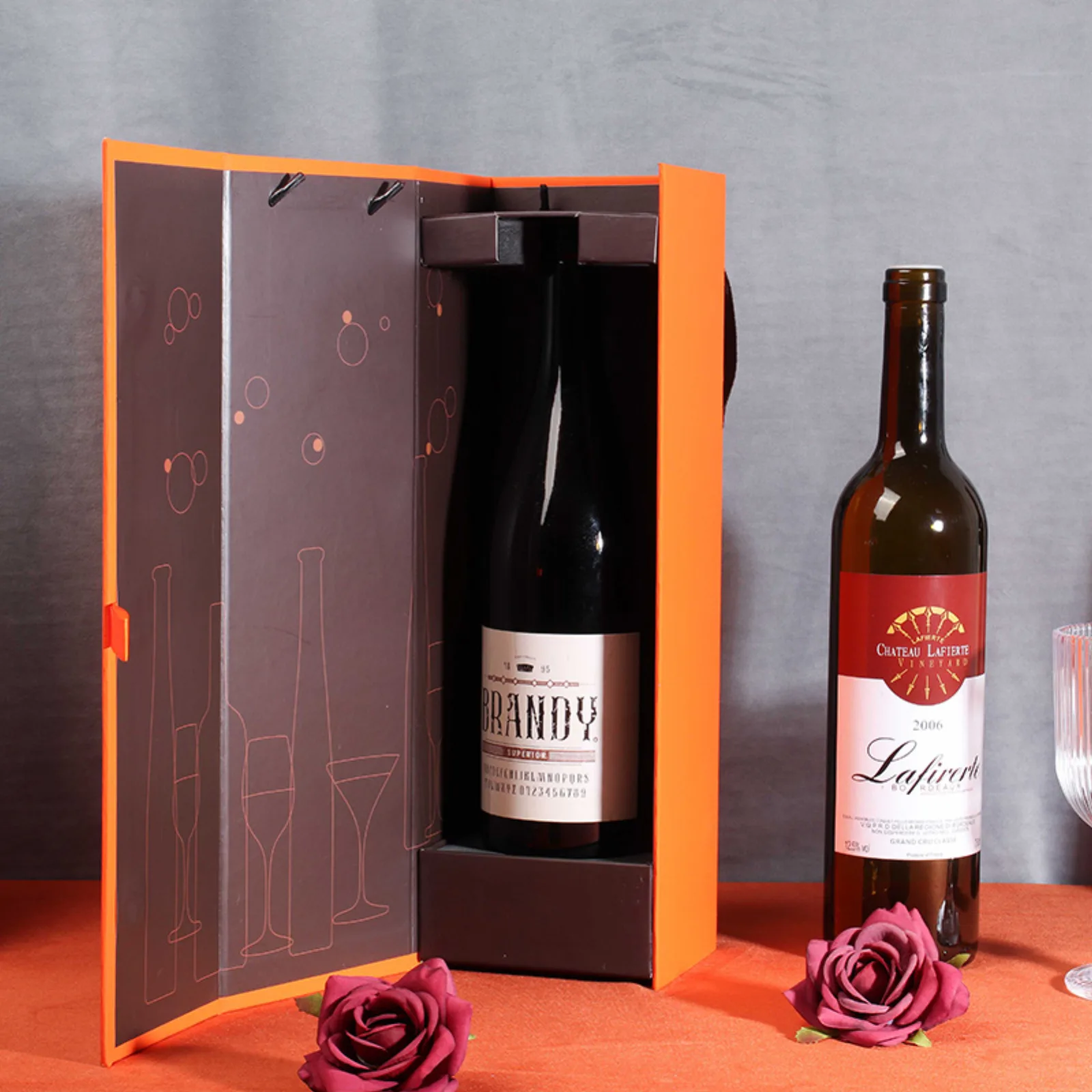
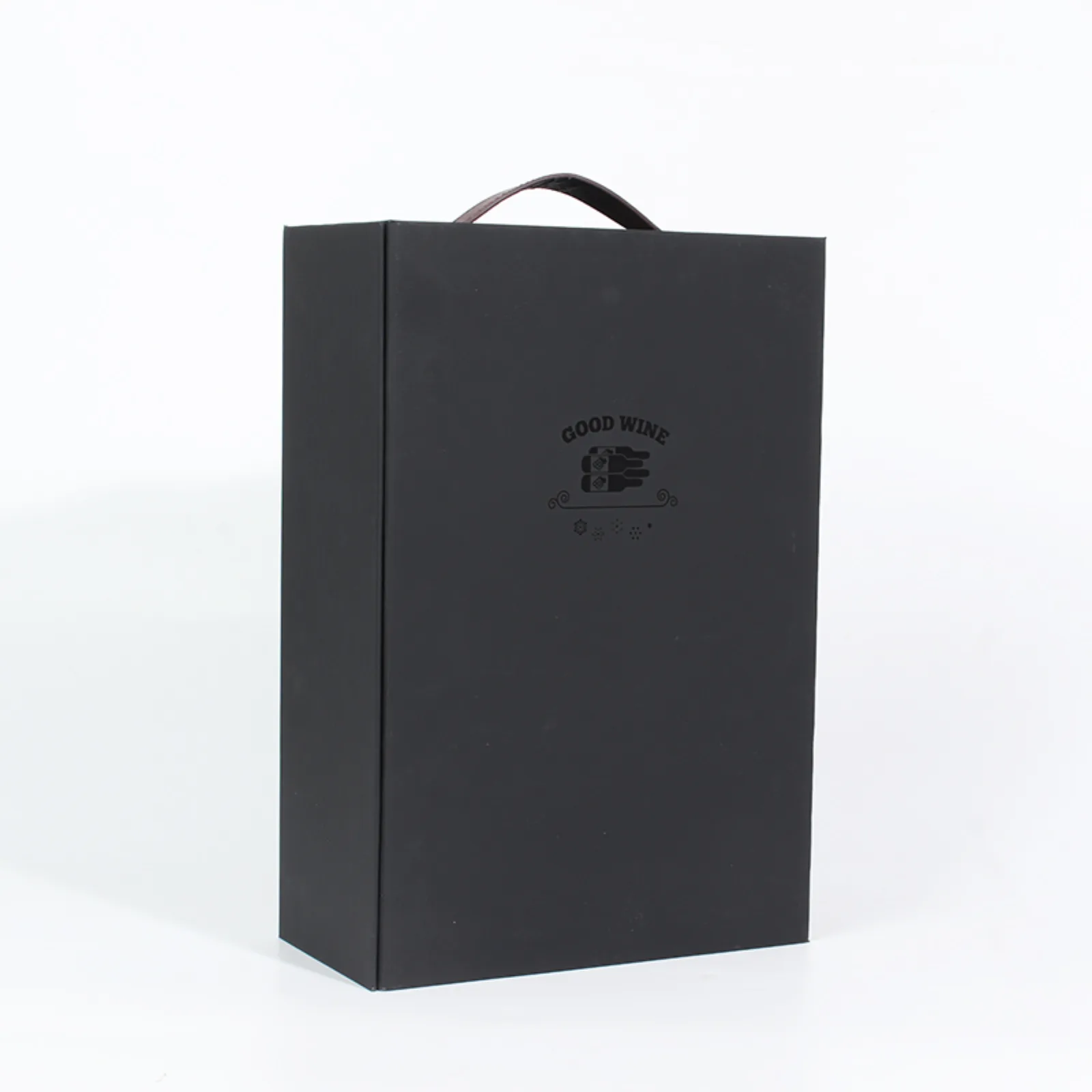
Then choose the opening. A lid-and-base box is the simplest rigid option. A magnetic closure feels more premium and holds the lid shut without a ribbon. Drawer boxes slide open and work well for two-bottle sets. Double-door boxes make a strong display piece for a gift set. Foldable boxes with ribbon handles are cheaper to ship and easy for a customer to carry out of the store. If the box will be handled a lot, magnetic is worth the extra cost. If it's a one-time gift, a tuck-top foldable does the job.
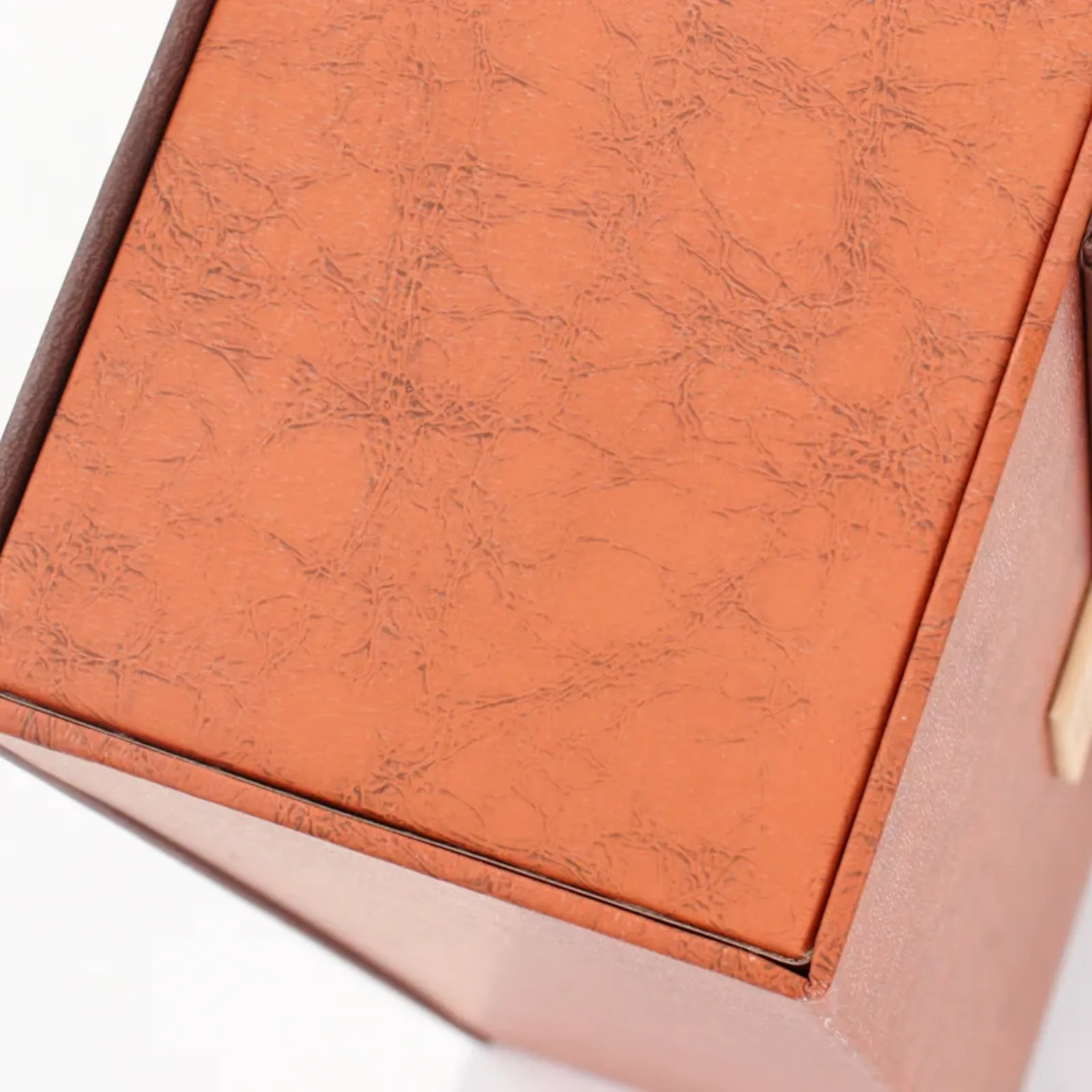
Do not overbuild. A 1200 g greyboard is our minimum for wine. That is enough for a single bottle in a rigid box. For two bottles or spirits, we recommend 1400 g. The facing paper should be at least 157 g specialty or coated stock. Below that, the corners show wear fast and the print looks flat. If the box will be stacked in a warehouse, go heavier on the board and add a reinforced base. But don't pay for 1400 g on a single bottle that ships in a mailer. That one is not worth the money.
Buyer questions
What is the difference between a rigid and a foldable cardboard wine box?
Rigid boxes are pre-assembled with a lid and base. They feel heavier and show better on a shelf. Foldable boxes ship flat and are erected before packing. Both use greyboard. Foldable saves freight and storage, but the creases must be cut well or the corners look sloppy. We check creases on every foldable run.
How do I know if the insert will hold my bottle?
We hold the bottle at four points: two on the body, two on the neck or shoulder. No unsupported neck. Then we shake the loaded box for ten seconds, tilt it 45 degrees, and invert it. The bottle must not slide or release. If it does, we adjust the insert. That's our standard before any box leaves the factory.
Can you match a specific brand colour on cardboard?
Yes. We match Pantone references and approve a first article before the run. Black, deep blue, and burgundy are the hardest to hold, so we sample mid-run and adjust. The facing paper is at least 157 g, which gives the ink a clean surface. We don't guarantee a perfect match on uncoated stock, but we get close.
What we control in production
The insert is where most cardboard wine boxes fail. We cut the insert to hold the bottle at four points: two on the body, two on the neck or shoulder. No unsupported neck, no loose shoulder. Our control tolerance on inserts is plus or minus 1 mm. The box body is plus or minus 2 mm. For foldable boxes, we check that creases do not crack when folded, magnet positions are within 1 mm, and corners sit at 90 degrees when erected. A crease that cracks on the fold is a reject.
Colour is the other thing buyers worry about. We match Pantone references and approve a first article before the run. Black, deep blue, and burgundy are the hardest to hold. We sample mid-run and adjust. Before shipping, we run our in-house checks: a 1.2 m six-face drop test with the bottle loaded, stacking top load of 40 kg or more for 24 hours, and vibration simulation for truck and sea freight. The bottle must not move inside. If the box fails any of these, we rework the insert or the board.
Get a quote for cardboard wine boxes
Send the bottle size or a sample, quantity and a reference design. We reply with structure options and pricing.
- Email[email protected]